Case Study:
Rescuing and Legitimizing a High-Risk Cultural Venture Under Hostile Conditions
- Strategic Planning
- Community Trust and Legitimacy
- Legal and Ethical Compliance
Gray’s Harbor Creative Arts Foundation (GHCRaFt) was responsible for Kurt Cobain Days, an annual music festival in Aberdeen, Washington. By the time I became involved, the event had accumulated more than a decade of unresolved problems: reputational damage, safety incidents, civic distrust, and ongoing legal ambiguity tied to the use of Kurt Cobain’s name and legacy under dubious permissions derived from a possible distant relative of the family.
The festival operated in a fragile state. It relied on informal arrangements, had no business charter, and functioned entirely on goodwill rather than enforceable structure. Many assumptions that were never tested or resolved loomed large, with conversations avoided as a matter of functional policy. Local authorities were skeptical, sponsors were reluctant, venues were unstable, and public discourse increasingly framed the event as exploitative or unsafe. After a serious issue in 2014, the avoided risks were no longer abstract. Shutdown, legal action, or loss of civic support were all plausible outcomes. What' made matters worse, close family members of Kurt Cobain said enough was enough, and wanted the event stopped. It seemed all but over for this latest iteration of a local festival in the town he famously underappreciated, himself.
My role was not to “grow” the festival. It was to determine whether it could be made legitimate, lawful, and operationally defensible at all, and if so, to rebuild it under those constraints. This case study therefore highlights stakeholder management and risk assessment skills learned inside of the technology spaces, and applied outside of them in a completely different context.
Problem Area 1: Civic Hostility and the Collapse of Trust
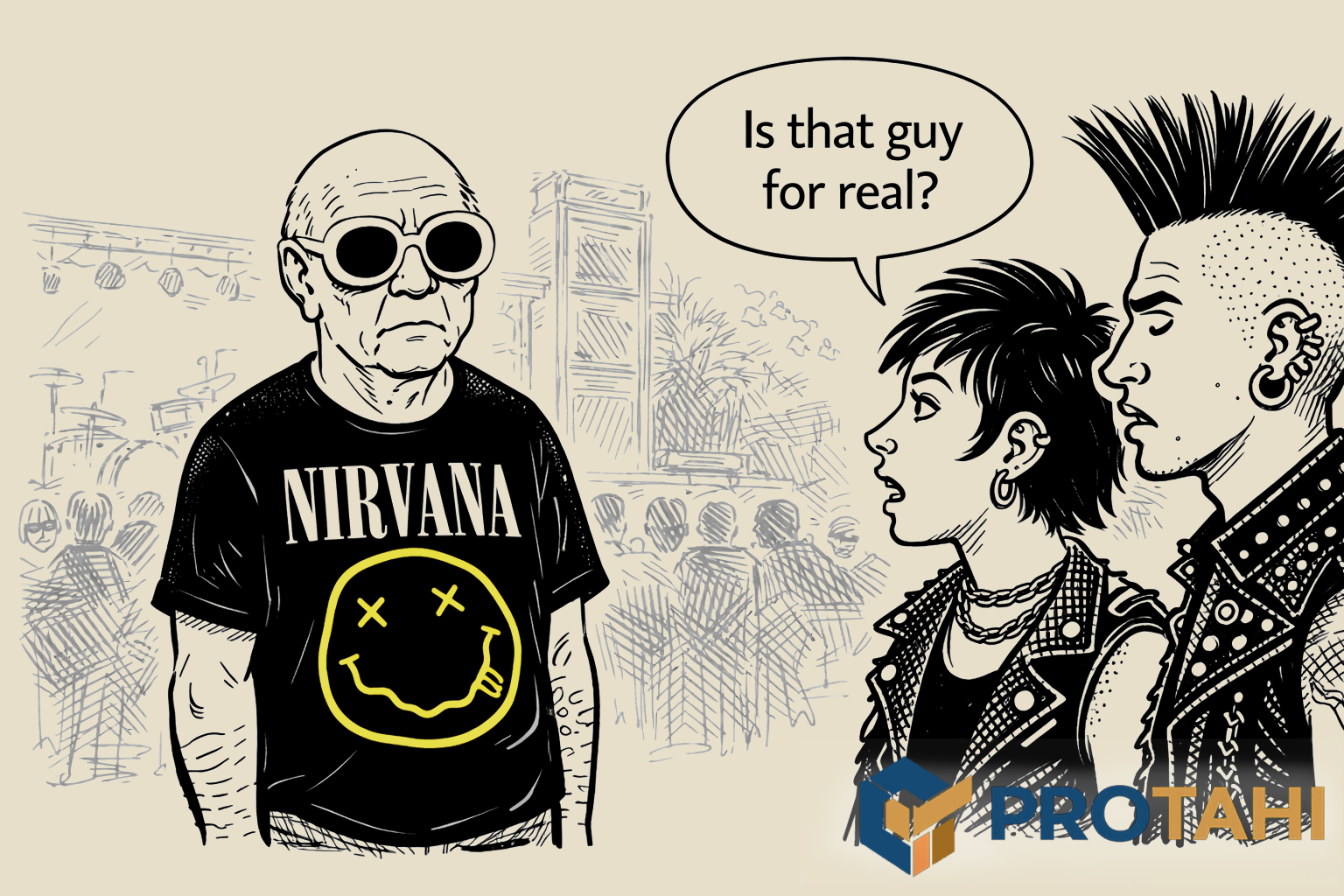
When I assumed responsibility for the event, the stakeholder environment was actively adversarial. This went beyond disagreement. Sections of the public, members of the Cobain family, venue owners, and civic stakeholders viewed the festival as something that should not exist. Media coverage reinforced this position by repeatedly referencing past failures and incidents, including a violent on-stage episode that had become shorthand for the festival’s dysfunction.
In this environment, conventional stakeholder management approaches were ineffective. Attempts at consensus were read as weakness, and silence was interpreted as evasion. The first task, therefore, was to eliminate ambiguity. I treated the public, media, performers, and authorities as primary stakeholders and shifted communication from reactive defence to direct, transparent engagement.
To support this, I introduced a hard operational charter built on enforceable constraints rather than aspirational values. The charter explicitly rejected profiteering, theatrics, and unmanaged risk. These constraints were applied consistently and publicly, providing a reference point when disputes arose. The objective was not popularity. It was predictability. Once stakeholders understood how decisions would be made under pressure, hostility reduced enough to allow the project to continue.
Result
While opposition did not disappear, the festival moved from being socially illegible to operationally understandable. Public engagement increased sharply, rumors were displaced by direct responses, and civic stakeholders were willing to re-engage on defined terms rather than treating the event as a liability by default.
Problem Area 2: Legal and Ethical De-Risking of a Borderline-Illegal Operation
The most serious risk facing the festival was legal and ethical ambiguity. For years, the event operated under the safe assumption that Kurt Cobain’s estate opposed its existence, but they were disengaged and disinterested enough in local politics to not do anything about it. This assumption shaped behaviour without ever being resolved. As a result, sponsors avoided involvement, venues hesitated, and every operational decision carried the threat of sudden legal action.
Avoiding this issue had become normalised, but it was unsustainable. I chose to address it directly. Leveraging connections I had with mutual friends, I engaged with a member of the Cobain family to explain the updated intent, scope, my own personal interest, and operational constraints of the event. The discussion focused on whether the festival could exist in a non-exploitative, ethically defensible form, rather than on branding or commercial leverage. This was not an easy discussion, but it was one that as a fan of Nirvana from my youth, and as a local musician and small time promoter myself I was prepared for. We went over the new ethics of the event in detail, and how it was going to focus not on drawing a crowd but on involving new people in a story about legacy. A legacy provided by the foundation's stage, promotional efforts, and wish to include as many musicians as possible in writing a new chapter to the stories of Aberdeen and Kurt Cobain.
Explicit permission was granted to continue the event, conditional on communication and conduct. This single outcome fundamentally altered the project’s risk profile. The festival moved from a legally ambiguous position to one that could be defended openly. That legitimacy removed the need for evasive behaviour and allowed decisions to be made on operational merit rather than fear.
Result
The largest existential risk to the event was eliminated. Venue negotiations became feasible, official civic engagement became possible, and the festival could operate without the constant threat of cease-and-desist action. Legitimacy became an asset rather than a liability. This is the only time in the history of any locally run Nirvana related event that close members of Kurt Cobain's family offered direct approval to proceed.
Problem Area 3: Rebuilding an Operating Model That Could Actually Work
With legitimacy restored, the remaining challenge was whether the festival could function as a viable operation at all. At the point I intervened, there was no coherent business model. Revenue assumptions were fragile, cost controls weak, and delivery relied heavily on informal goodwill. This fragility was exposed when the primary venue withdrew less than two months before launch, placing the entire event at risk of collapse.
Rather than compromising the charter to preserve ticket revenue or scale, which I considered to be optics that obscured the real goals (increased downtown foot traffic, vendor sales, and tourism interest), I rebuilt the operating model around constraint.
The festival was restructured to minimise cash exposure, prioritize safety and compliance, and rely on negotiated partnerships and smaller touring musicians rather than speculative spend on big-name nostalgia acts. Kurt Cobain Days became an outdoor street faire, with evening venues hosting 21+ entertainment after 9PM at local businesses in both Hoquiam and Aberdeen. Alternative venues and vendors were secured rapidly, and delivery was adjusted without abandoning the core purpose of the event.
At the same time, the festival was reframed away from celebrity exploitation toward community relevance. Positioning it as a celebration of the musical heritage of Gray’s Harbor created a defensible value proposition for civic stakeholders and funders, and although the optics were less grand, not using expensive theatre spaces, the event itself was commercially more robust. This was shown by the ability to pay every performing act a fairly substantial sum (for a local show). This had never before been done. In prior years only headliners were paid anything at all. The event was delivered safely, legally, and without incident.
Result
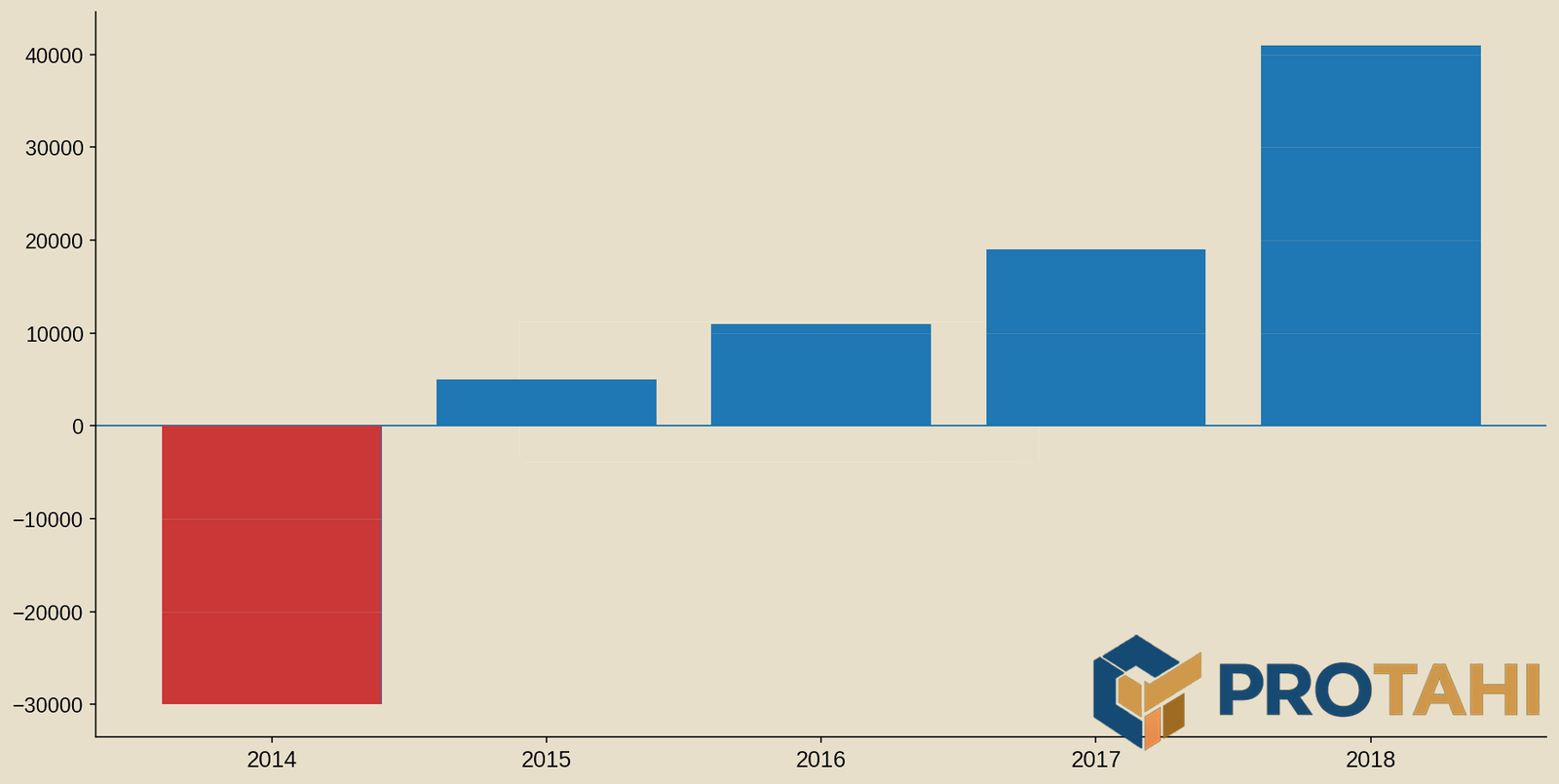
The festival ran successfully under materially worse conditions than planned, without safety issues or regulatory breaches. Under my management the event ran a profit every year, for the first time in its history. What started as a 6-act evening one day out of the year ended up spanning an entire week, partnering with many local businesses and attracting 28 individual acts to play on its final day. Civic funding was obtained in subsequent years, vendor participation stabilized, and the event delivered multiple successful iterations. I personally appeared in numerous radio interviews promoting the event and my work turning it around.
Kurt Cobain Days was never designed to be a world-class event, but it did become locally successful.