Case Study:
Delivering a High-Risk Gold Exploration Program Under Indigenous, Regulatory, and Pandemic Constraints
- Project Management
- Indigenous and International Stakeholder Engagement
- Compliance and Risk Management
In 2020, during New Zealand’s COVID-19 lockdowns, NewPeak Metals sought to invest in gold exploration permits held by Mineral Rangahau in the highlands of Central Otago. The project involved drilling on land classified as Wāhi Tūpuna, carrying historical, cultural, and archaeological significance under Ngāi Tahu tikanga and the Resource Management Act 1993.
The situation was operationally fragile. Mineral Rangahau’s owner was unable to manage the project due to personal circumstances involving full-time dementia care for an elderly spouse. NewPeak was unable to bring preferred technical staff into the country due to border closures. At the same time, regulatory expectations did not pause for the pandemic. Consents, safety obligations, environmental protections, and iwi engagement requirements all remained enforceable.
I stepped in to manage the project end-to-end despite having no prior experience in geology or mining. My mandate was simple and unforgiving: execute the project immediately after lambing season lawfully, safely, credibly, and without incident. Minimize all cultural, environmental, and social risk vectors to ensure clean delivery and project continuity. Document everything faithfully, and keep the owner apprised of all decisions, acting as his proxy throughout delivery.
Problem Area 1: Indigenous Stakeholder Engagement on Culturally Sensitive Land
The most immediate risk to the project was not technical. It was legitimacy. Drilling on Wāhi Tūpuna land without genuine iwi consent would have resulted in immediate opposition, reputational damage, and likely regulatory failure. This was not a box-ticking exercise. Ngāi Tahu held real authority, and the consent process required meaningful engagement rather than transactional consultation.
I engaged directly with Ngāi Tahu representatives through face-to-face negotiation, despite lockdown constraints, using my background in policy and government systems to frame the project in terms they could interrogate properly. The engagement focused on intent, risk management, environmental safeguards, archaeological protection, and remediation commitments, rather than commercial upside.
Crucially, I did not attempt to “translate” mining into cultural terms or defer responsibility to consultants. This reads as either pandering or abrogation of responsibility. Either one is a poor look and defeats the purpose of my being there. Instead, I took ownership of the commitments being made and ensured they were enforceable within the project plan. I spoke to everyone in clear, respectful terms, and discussed risks and benefits openly with all parties, using easy-to-understand terminology absent of jargon or politics, so we could understand each other without theatrics. This shifted the engagement dynamic from suspicion to scrutiny, which is where consent can actually be earned.
Result
Consent to drill was secured on Wāhi Tūpuna-classified land without protest or escalation. The project proceeded with iwi awareness and acceptance, establishing a defensible precedent for further investment rather than a one-off exception.
Problem Area 2: Building and Executing a Compliant Operating Model From Scratch
With legitimacy established, the next challenge was execution under extreme constraints. COVID-19 lockdowns restricted movement, staffing availability, and logistics. At the same time, the project carried multi-million-dollar exposure and zero tolerance for safety or environmental failure.
I built the operating model from first principles. This included staffing, site safety systems, hazardous equipment certification, drilling logistics, ecological remediation planning, and contractor coordination. I worked across regulators, suppliers, and local operators to ensure compliance with the Resource Management Act 1993 and associated environmental and safety regimes.
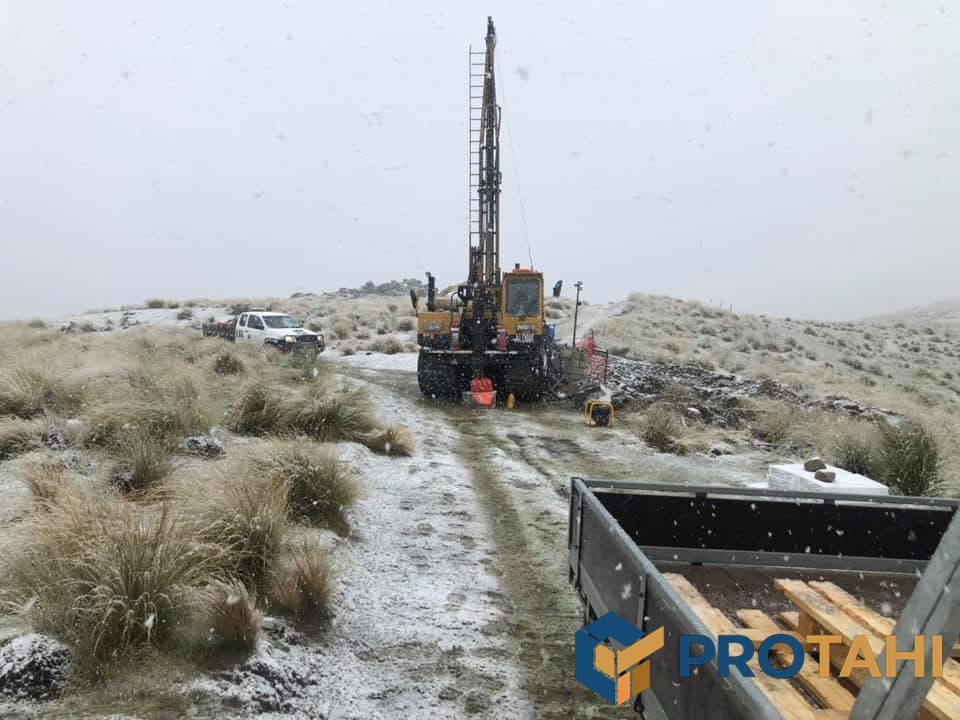
Despite lacking mining industry experience, I relied on disciplined project governance, clear accountability, and relentless verification. Every regulatory obligation was treated as a hard constraint, not a guideline. This approach overall resulted in greatly reduced friction. Without the back and forth of misunderstandings, and clear communication pathways established with regulators and stakeholders from the outset, the project moved through consent channels quickly, in spite of the holiday season falling right in the middle of the application process. Where specialist expertise was required, it was sourced tactically and integrated into a single delivery plan rather than allowed to fragment accountability.
I took care of drafting and document review personally, engaging in face-to-face meetings with relevant civic and indigenous stakeholders ensuring all interests were heard, fairly represented, and compliance items were effectively navigated. Nothing was outside my wheelhouse. Waiting for someone else was not an option. Where I needed outside assistance, such as in ecological remediation certification, I found consultants that could work on my timetable. Not the other way around.
Result
The exploration program was executed on time and within budget, with all safety, environmental, and certification requirements met. No incidents occurred. All drilling activity was completed in accordance with consent conditions, and the site was left compliant and defensible.
Problem Area 3: Translating Crisis Execution Into Ongoing Investment Viability
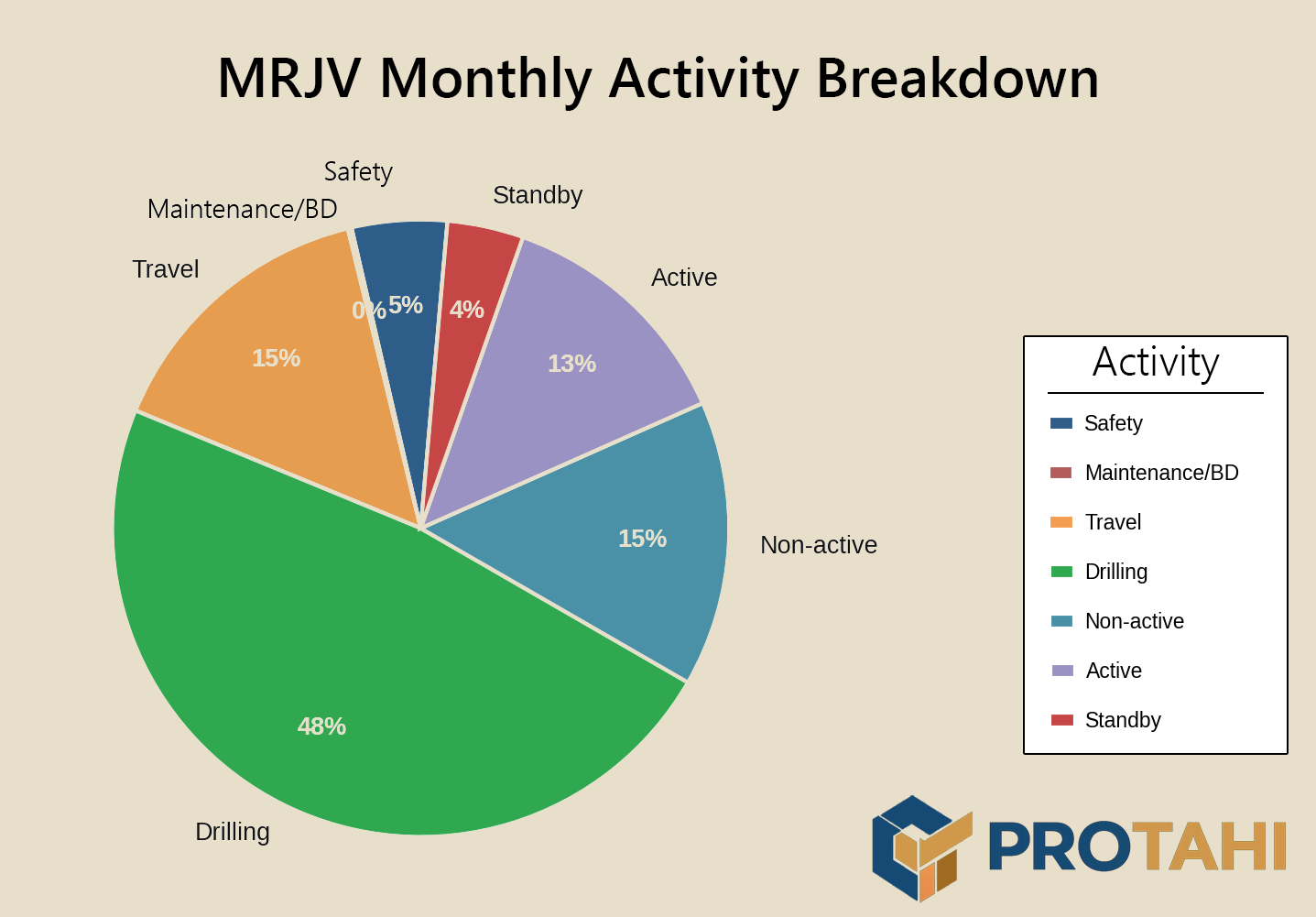
The final test was whether the project could outlive the crisis conditions that created it. Exploration programs often succeed technically but fail to convert into sustained investment due to governance gaps, compliance debt, or stakeholder fallout. The MRJV project by contrast had a well developed project activity scope, clear deliverables, and a well defined project pipeline.
By the time drilling concluded, the project had an approved ecological remediation plan, clean safety and compliance records, and a documented consent pathway that could withstand scrutiny. This positioned the properties not as speculative liabilities, but as credible assets suitable for further capital deployment.
Importantly, the project demonstrated that Indigenous engagement, regulatory compliance, and commercial execution were not opposing forces. When managed coherently and respectfully, they reinforced one another by reducing downstream risk and uncertainty. As a policy professional, this is important because it shows that policy works when applied faithfully and without bias. This was something that set me apart from industry insiders. Their years of experience may read well on paper, but what it translated into was a set of unsaid expectations that affected how dialogue unfolded. I brought none of that baggage with me, and was able to achieve a cleaner result than was expected by the project owners and international stakeholders.
Result
The properties remain under active consideration and further investment and development plans have been secured and put into play. The exploration program achieved its immediate objectives without reputational, legal, or operational fallout, despite being executed under pandemic conditions and with a first-time project lead.